
Women Fellows’ Group Portrait - details
An invitation for a STEM institution to commission this project-in-waiting.
Below is a breakdown of the opportunity and plan. For a high level overview, see this page.
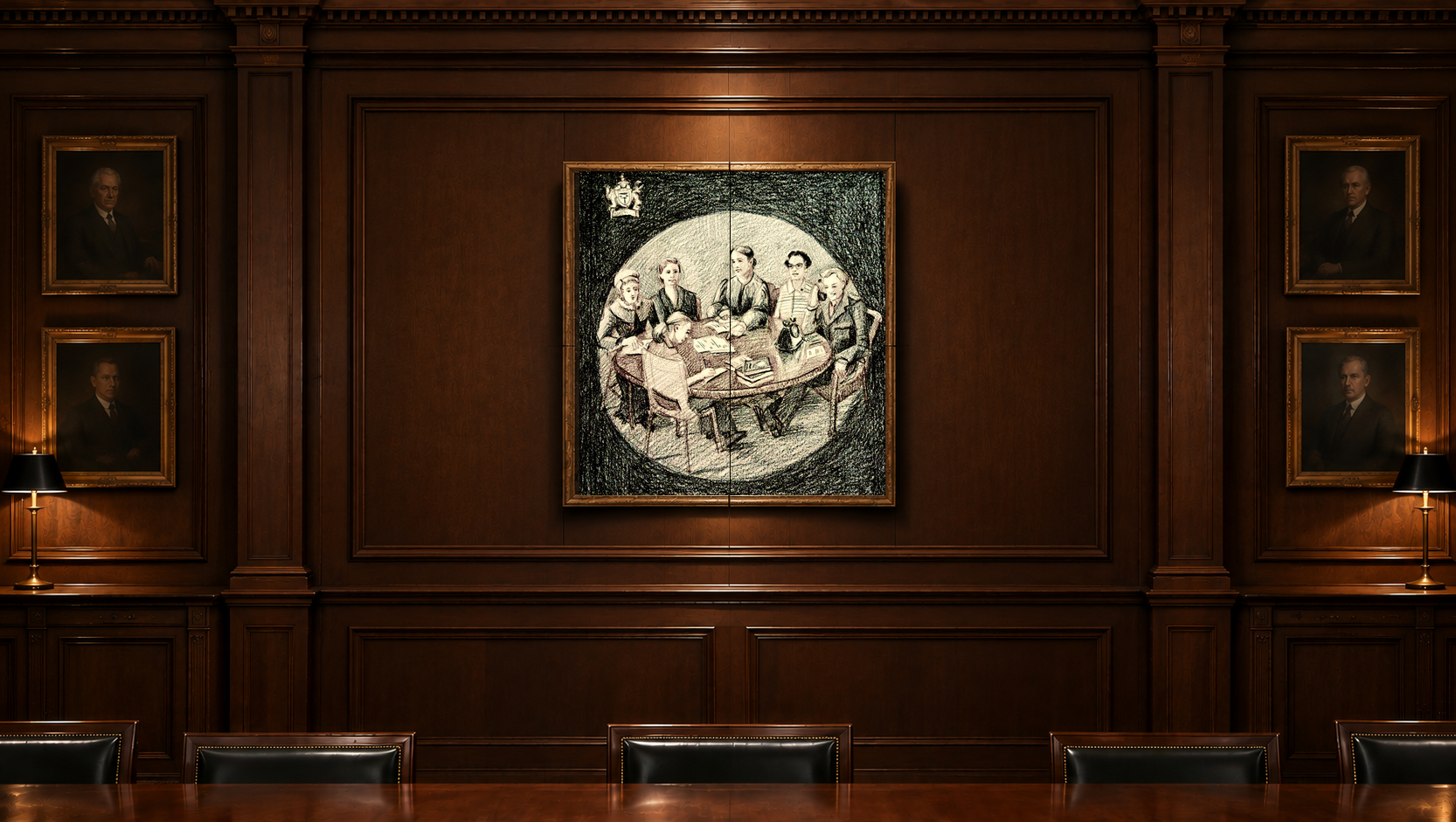
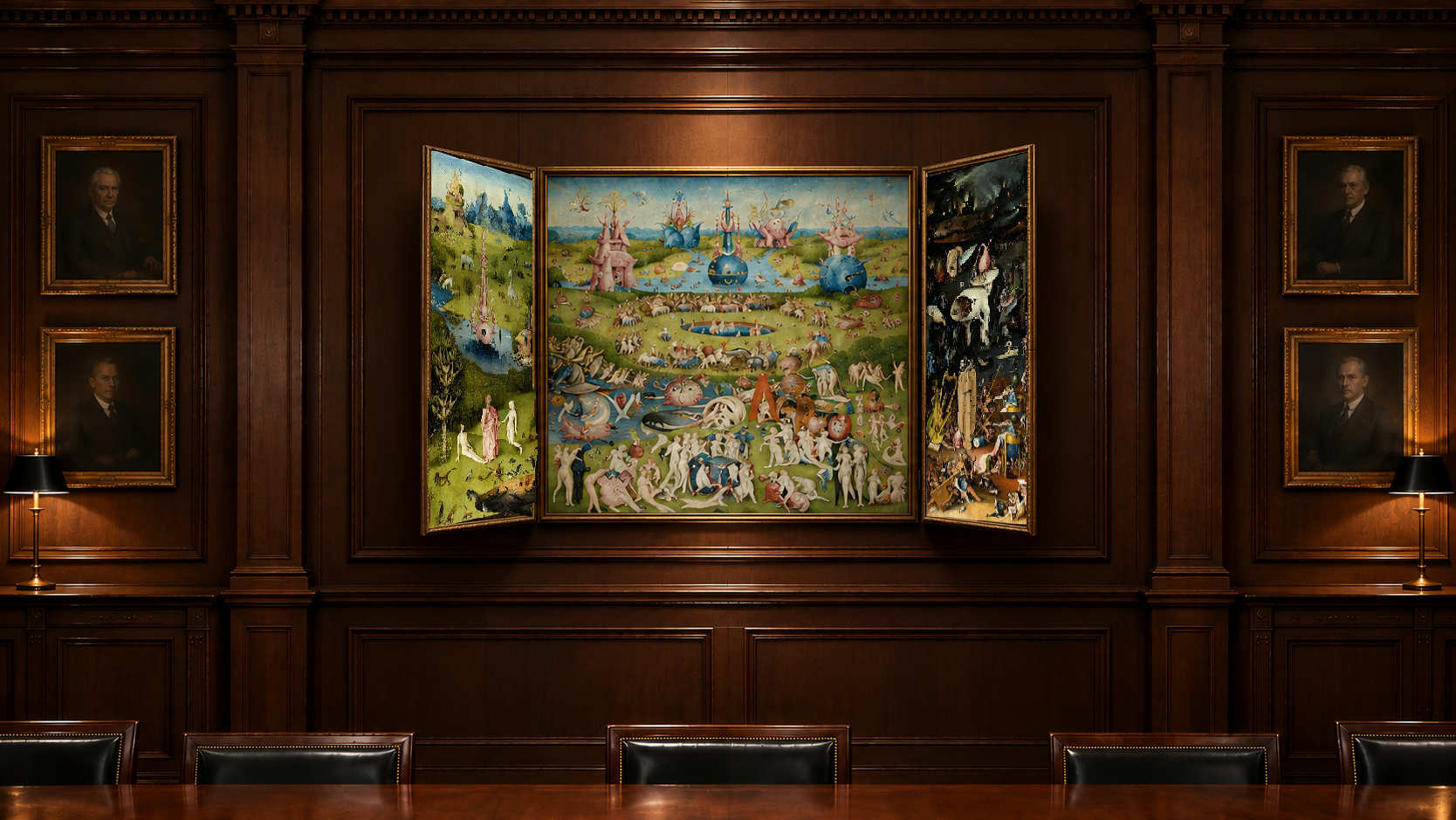
Artwork details
The front panel will be an oil painting of notable women from your institution’s history. Based on archive photos, the women will be rendered with detailed and accurate likeness, brought to life as though round a table, animated in discussion. Their identifiable publications are laid/stacked/open on the table.
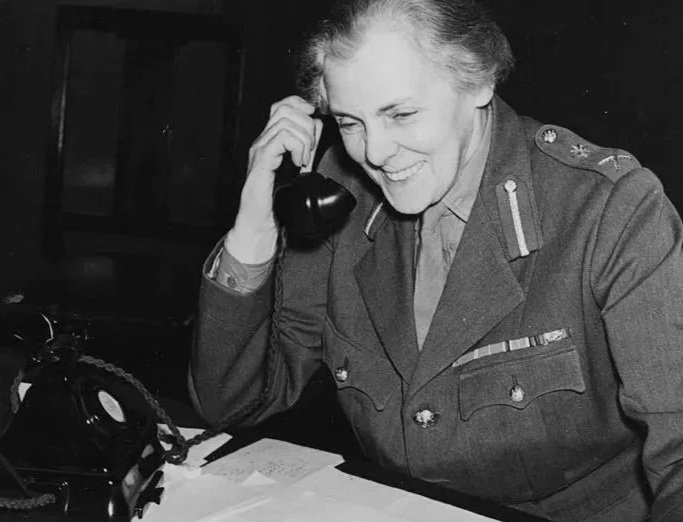
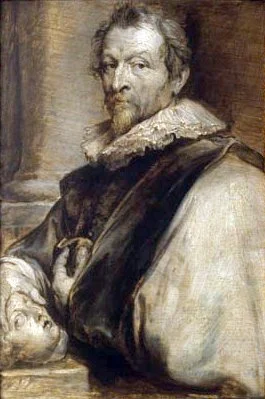
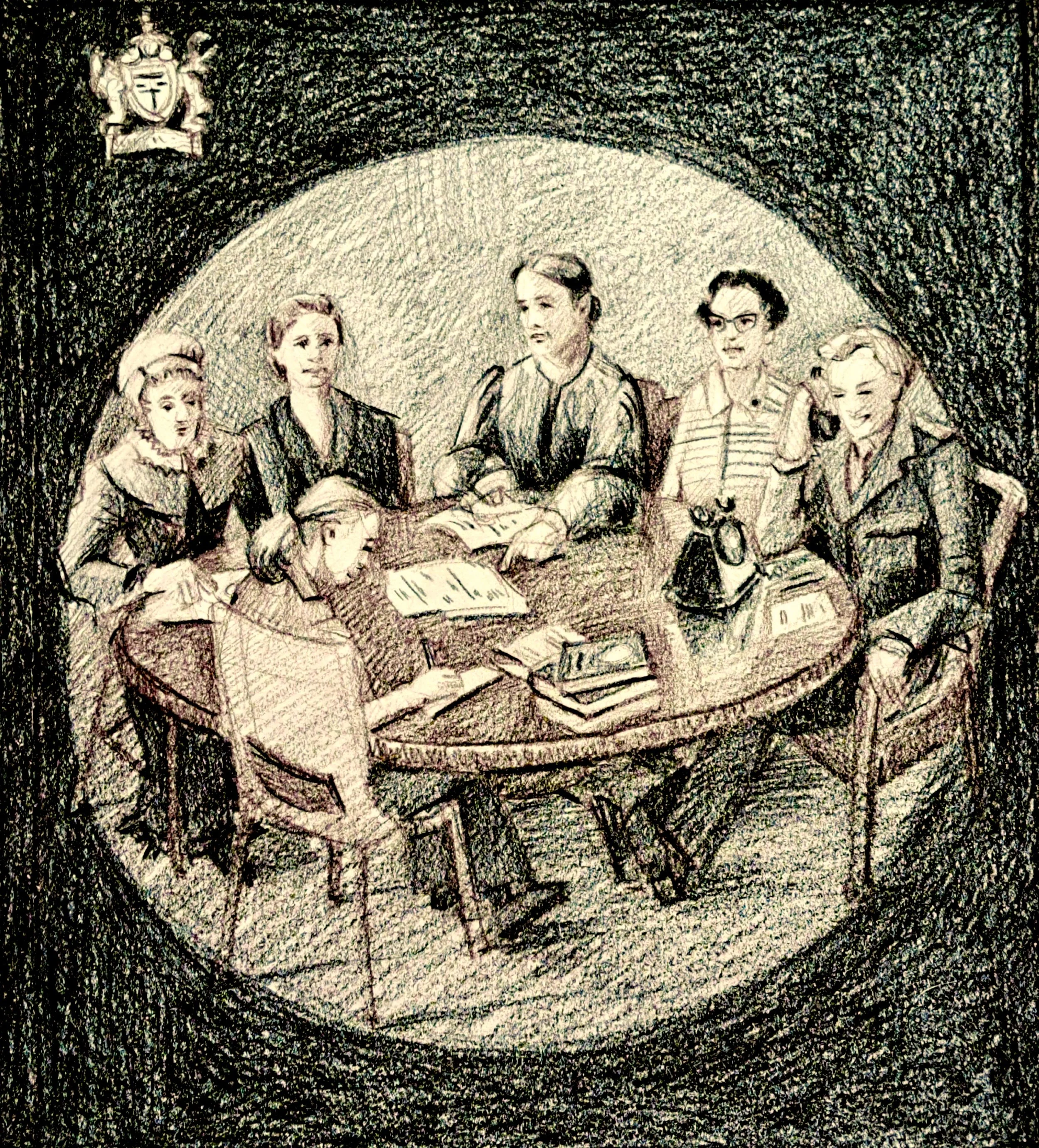
The group portrait will be painted in ‘grisaille’ - a beautiful tonal approach used by Van Dyke and others. In the sketched example below you can see how a photo of Helen Gwynne-Vaughan could be integrated into such a composition.
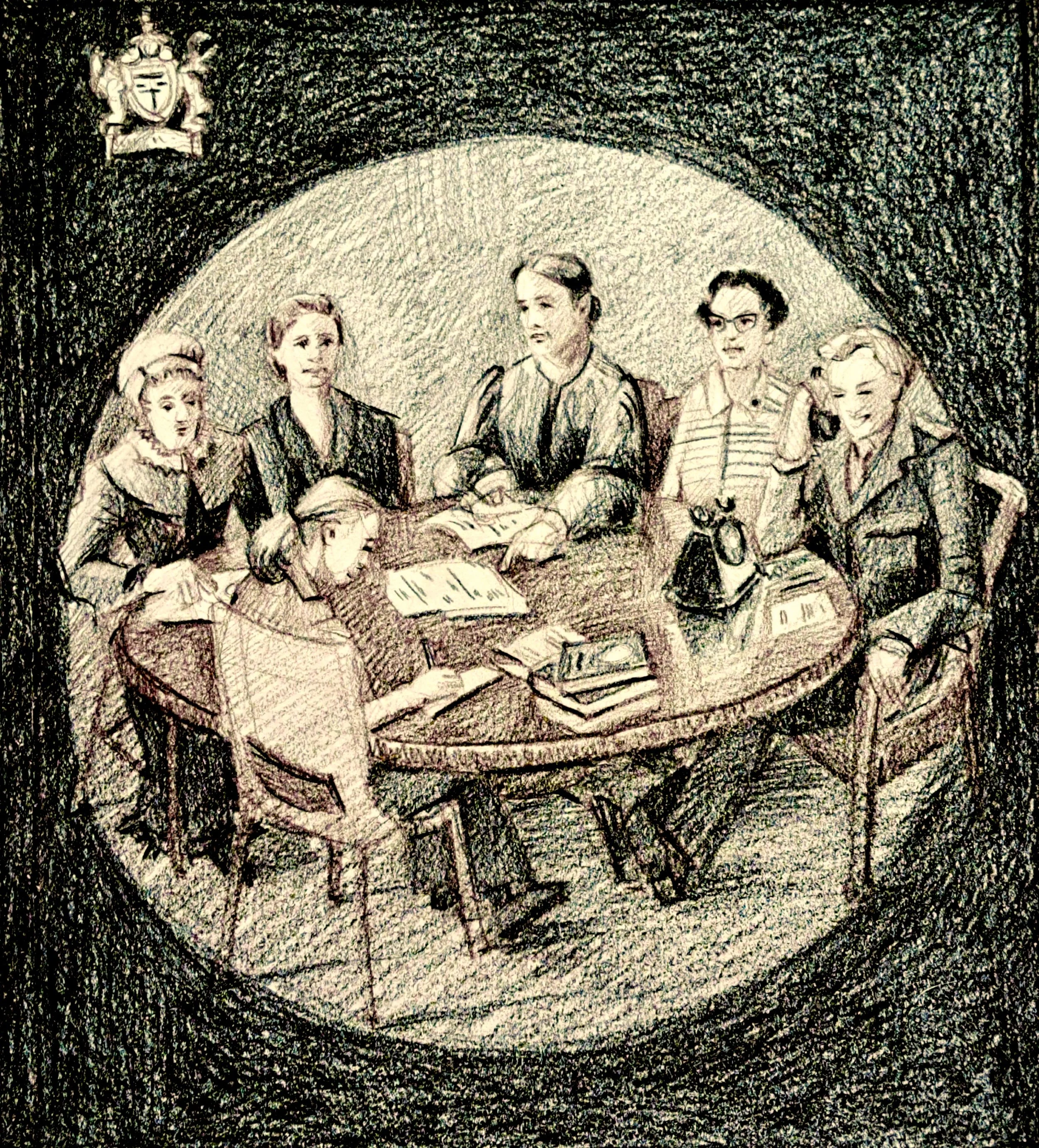
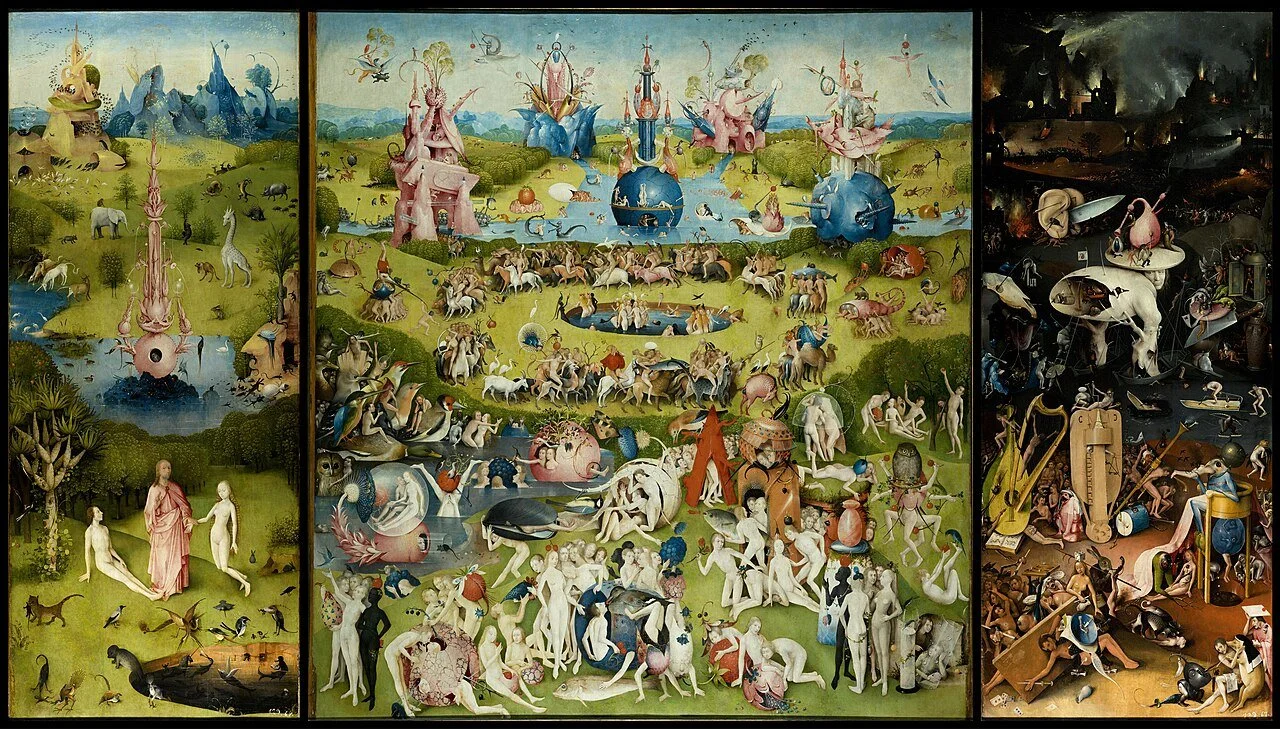
The physical artwork will be a triptych, based structurally on Hieronymous Bosch’s famous 15th Century ‘The Garden of Earthly Delights’. This has a grisaille globe on the front panels (visible when closed).
As on my sketched example above, your institution coat of arms could be placed in the location of Bosch’s God figure (just visible top left of the globe below). A motto or other words could be calligraphed onto the background.
The Reveal
Like the Bosch original, the ‘doors’ can be opened to reveal the hidden treasure - a bright, engaging oil painting triptych.
Instead of Bosch’s figures and structures, it will showcase the research/subject matter of the women portrayed on the front. This could be specimens, molecular structures, experimental equipment, whatever they used, made or discovered.
The surreal setting will facilitate the juxtaposition in an engaging way. For example the right hand panel of Bosch’s colourful landscape has a nocturnal atmosphere, which would enable presentation of such things as moths, darkroom equipment, and subterranean things.
Bosch’s ‘Garden Of Earthly Delights’ landscape usefully has areas of water, land, and sky. So whatever the women's subject matter was - subterranean, waterborne, airborne, biological or synthetic - there would be capacity to show it in the panorama.

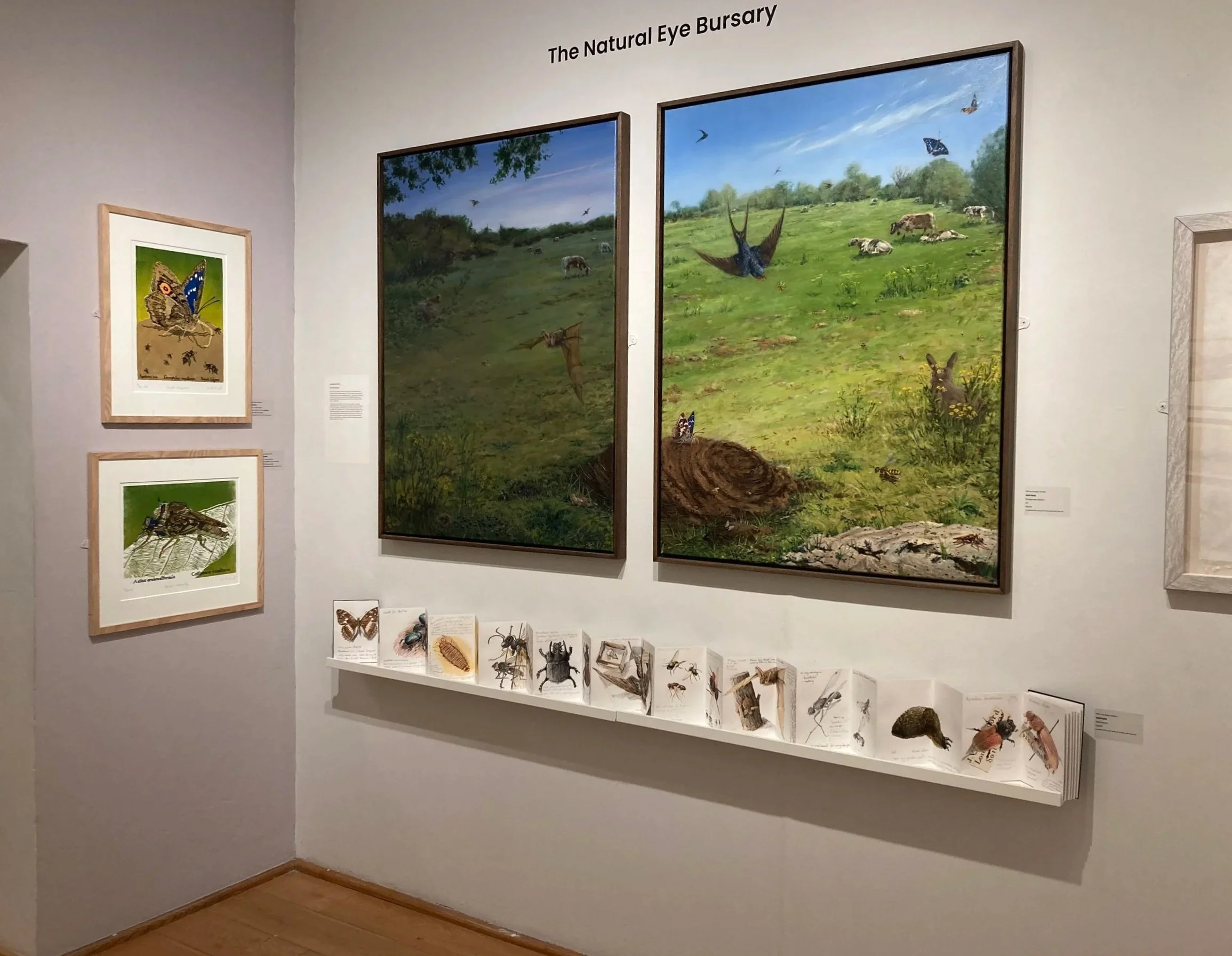
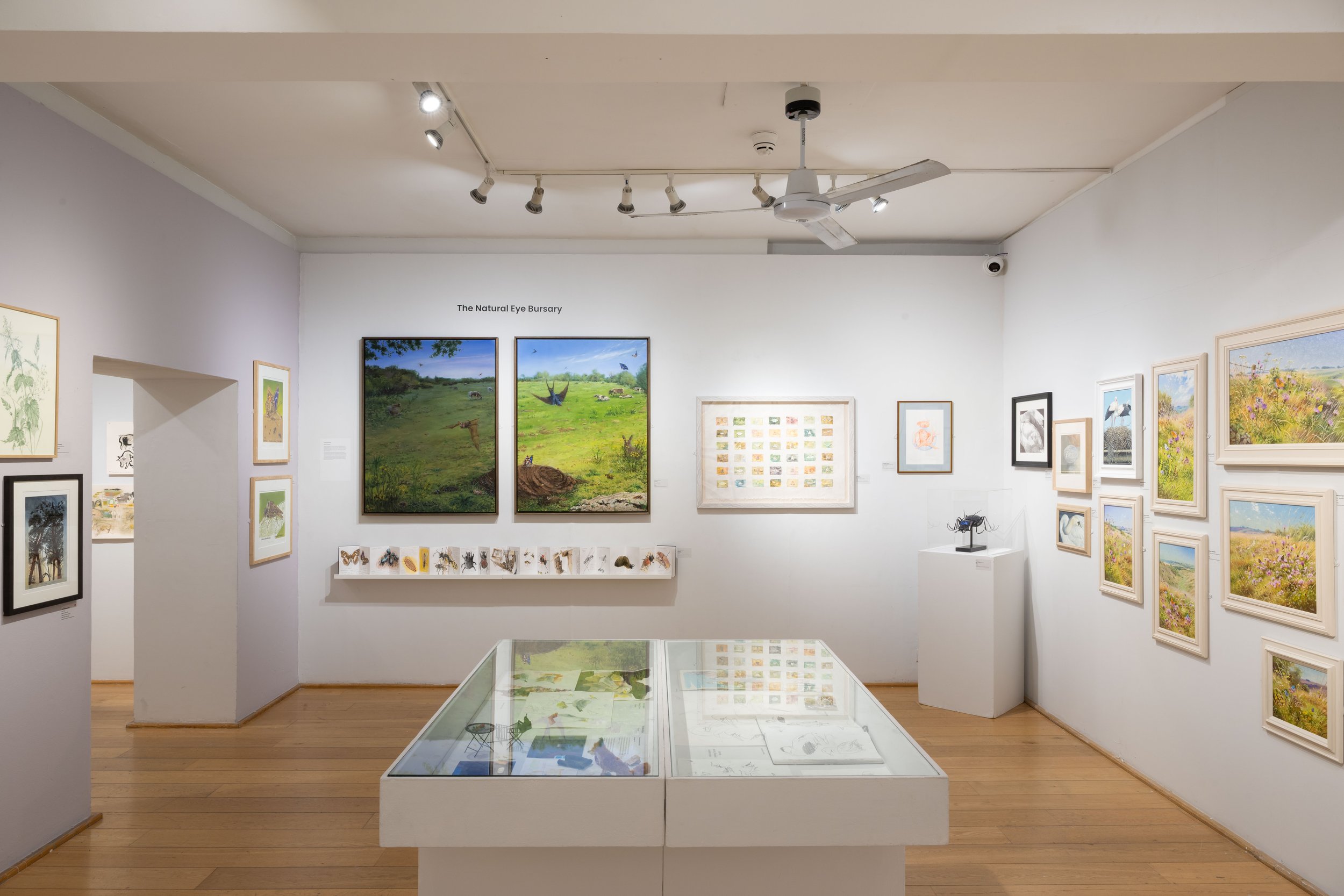
This installation shot from The Society Of Wildlife Artists’ annual exhibition in London shows my diptych of textured oil paintings (nocturnal and diurnal) ‘Dungscape’. The concertina sketchbook underneath contains museum collection studies, all of which are incorporated into the diptych above, set in the Knepp Wilding Estate landscape.
In a similar way, I can situate the artefacts of the womens’ research in the emptied Bosch landscape.
Reconstituting the women from the archives
Here are some photos of distinguished women scientists from public archives. I used these references to construct the sketched example below. The commissioned group portrait would be an oil painting assembled along the same lines. This method of composition is an analogue process based on techniques built over years of experience working on commissioned portraits.
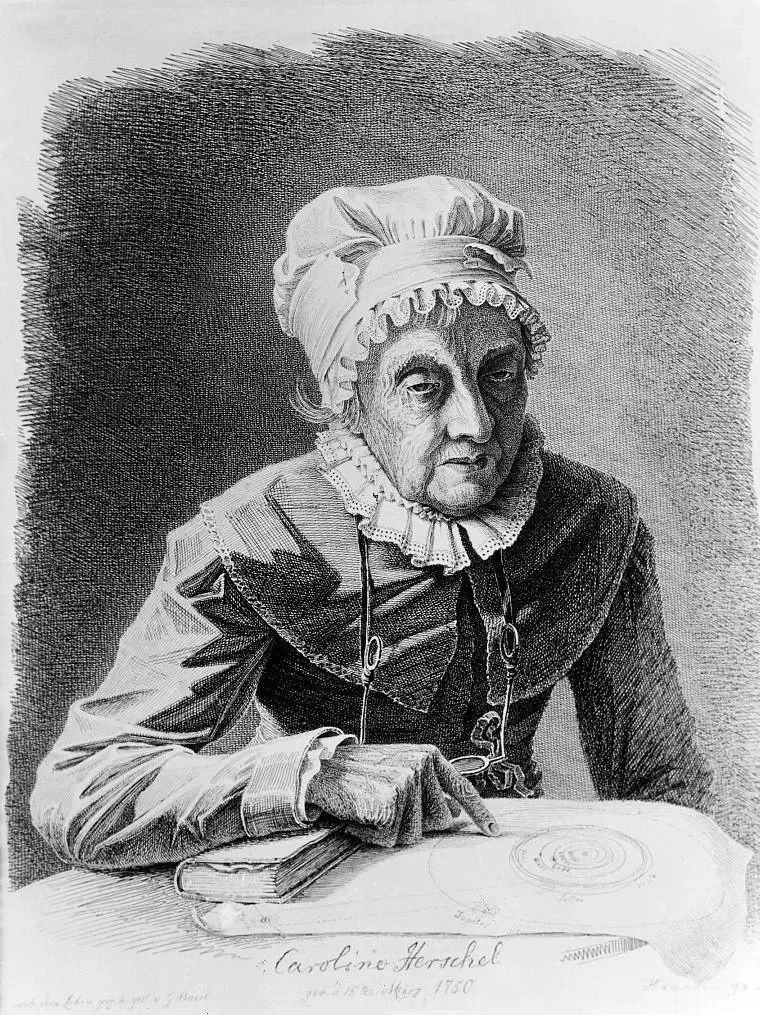
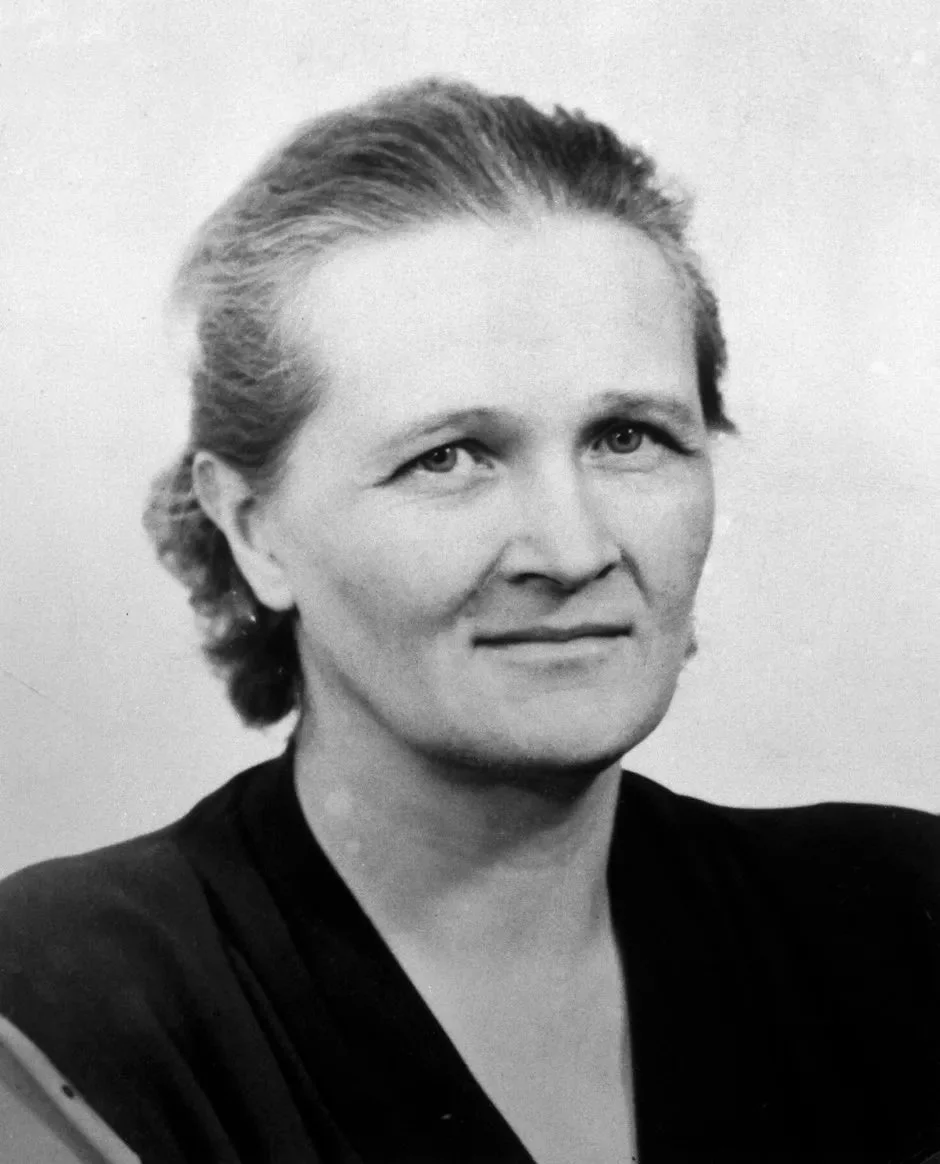
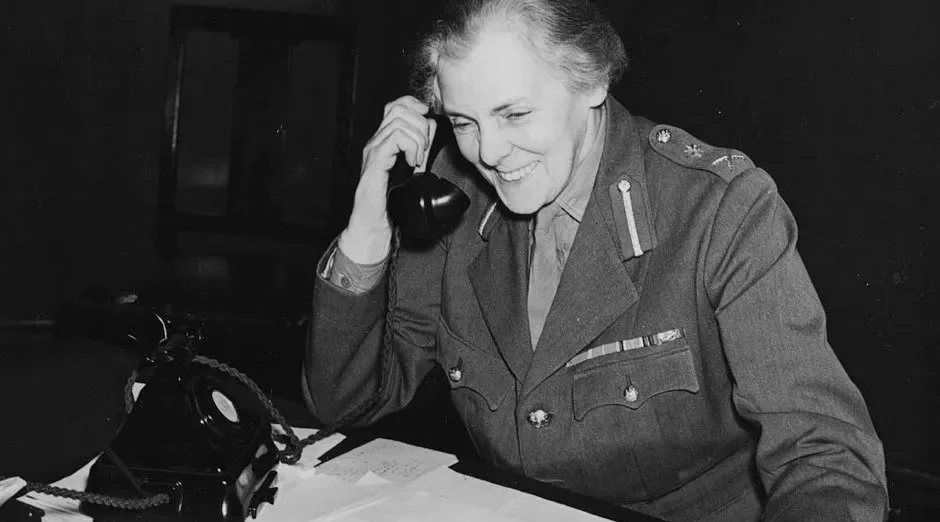
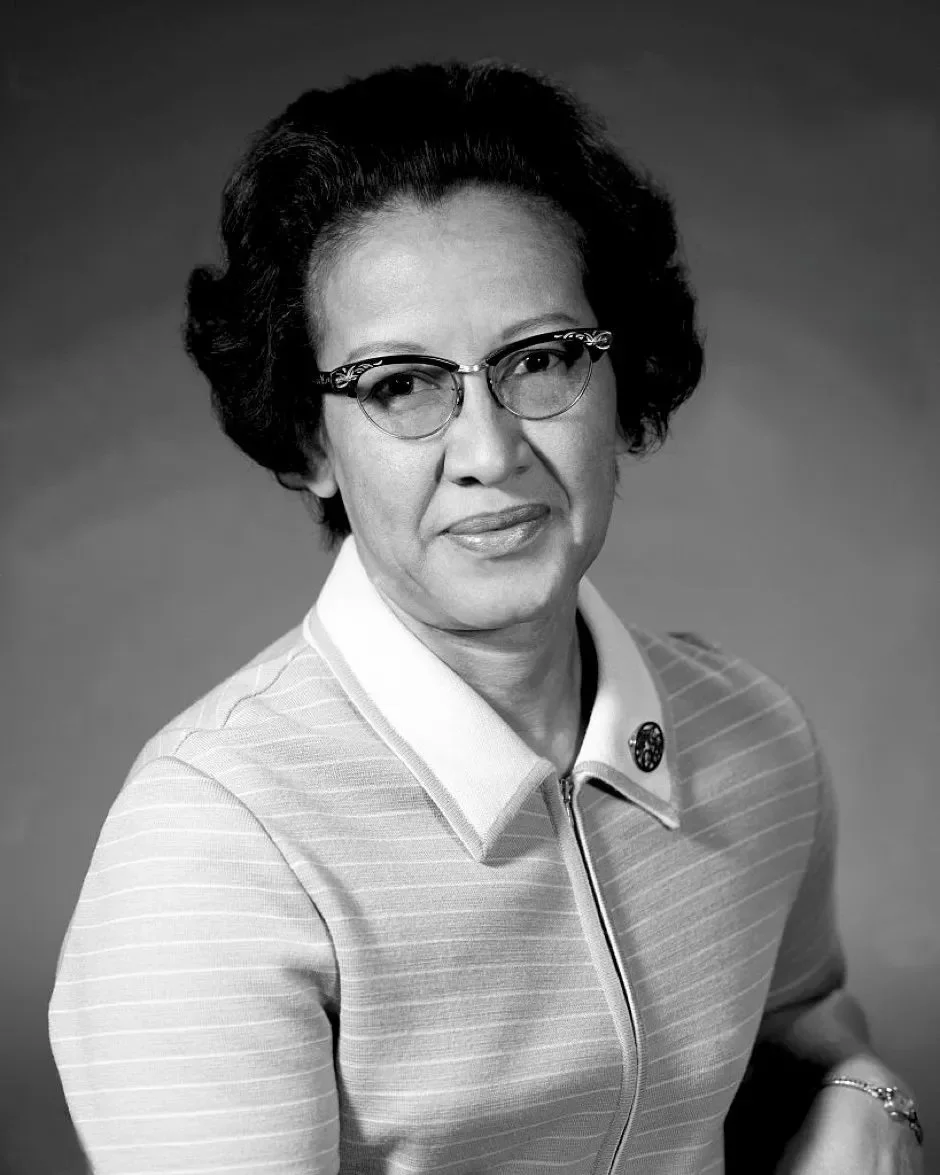
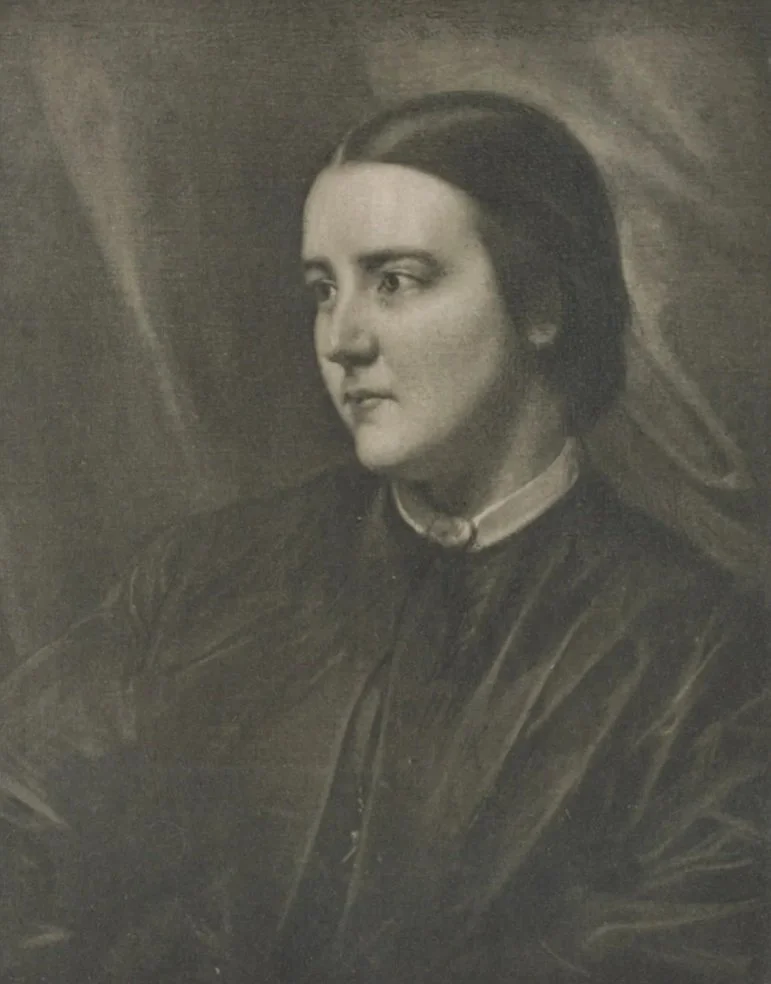
The sketched example (below) shows how the photos (above) might be resolved into a sympathetic composition. Can you recognise the women from their photos?
Concept - Why The Garden Of Earthly Delights?
Bosch’s place in the canon as the definitive proto-surrealist didn’t happen in a vacuum. Equipped by his artisanal family and wealthy wife, he was free to use his technical and intellectual ability to create ambitious groundbreaking work.
Against a backdrop of the contemporary artworld revival of surrealism, this speaks to the combination of circumstance, intellect, and endeavour required for breaking new ground in STEM (and The Arts!).
The front of Bosch’s triptych shows the third day of Earth being created by God, ie that which has not been seen by mankind. The doors open dramatically to reveal the interior: a rich expanse of mortal sin and consequence.
During Bosch's era it was believed that it was women's—ultimately Eve's—temptation that drew men into a life of lechery and sin. There is a reclamation inherent in adapting the creationist and moralising original format, to a ‘revelation’ of an entirely different sort.
The group portrait metaphorically sets the women as those who have not been fully seen, dramatically opening to reveal the rich expanse of their work.
Stakeholder management
With a background in tech consultancy, I am used to working with a variety of stakeholders on challenging projects.
Having a decade of experience as a portrait artist painting private and public commissions, I am confident to lead decisions if needed. I value input, and take pride in being flexible and pragmatic. I enjoy working collaboratively with clients and their delegates, be they scientists, social media specialists, or other interested parties.
Each step of the design and painting process is shared, feedback is welcomed, and stages signed off before moving on. References from past projects available on request.
It is unusual not to have the sitter personally involved, but in this case (as with posthumous portraits in general) the representation of the women and their work falls to us to negotiate as faithfully as possible.
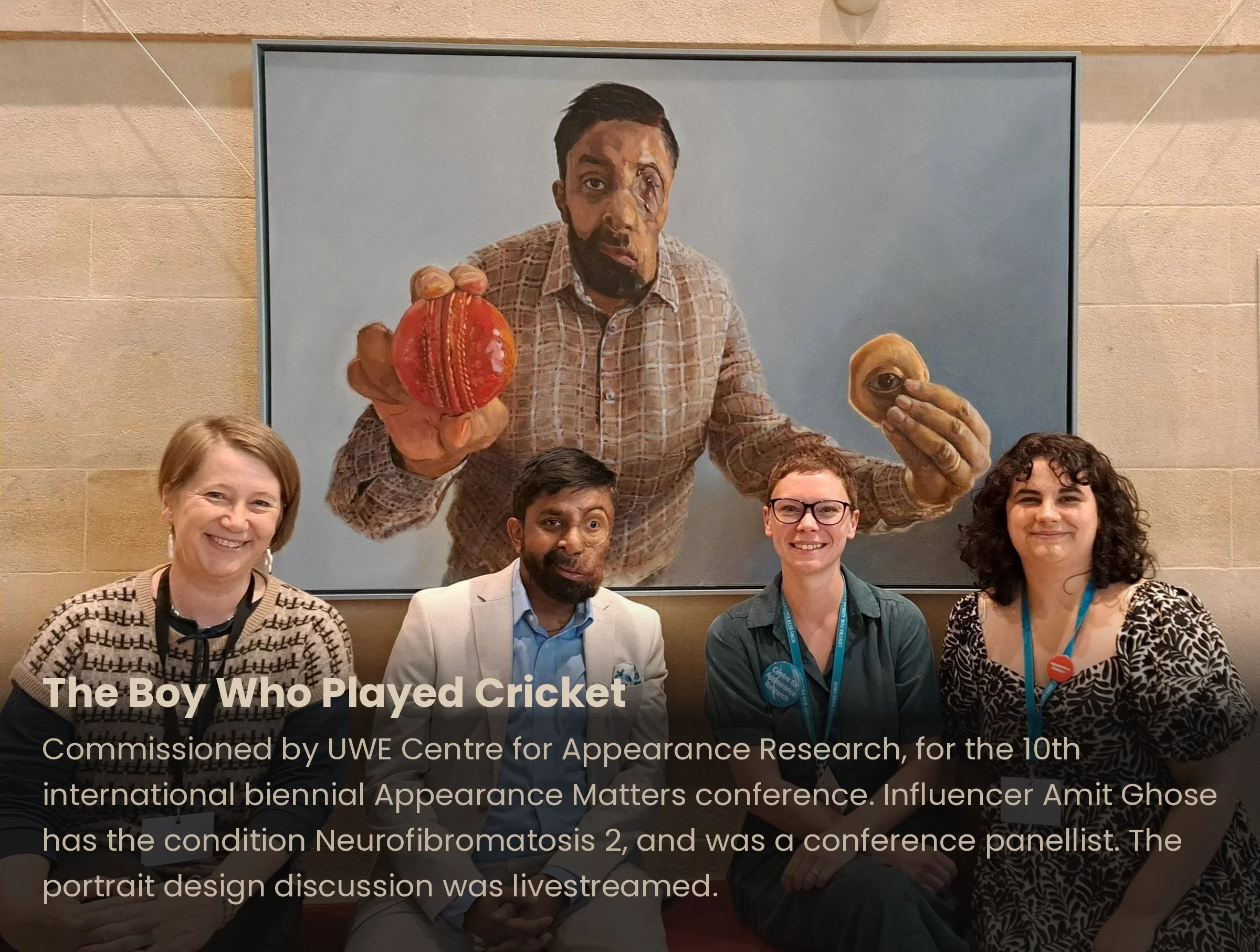
Here are four interesting portraits that I have worked on, each requiring its own particular stakeholder management.


Timescale
I have undertaken several works of a similar scale and complexity, so can make an informed estimate that the project would take 12-18 months of elapsed time. Social media content would be delivered throughout, sharing research, design and making.
Archive research into the selected women fellows and their work - 2 months
Engaging carpenter for frame design, determine required canvas dimensions, initiate build - 1 month
Image design (including consultation, subject to number of adjustments, communication timeframes etc) - 1 month
Painting the grisaille front - 3 months (about 8 portraits and context)
Painting the interior - 3 months (no portraits so quicker)
Finishing - refining likenesses, making adjustments, signoff - 1 month
Drying and exhibition varnish application - 2 weeks
Assembly, delivered ready to hang - 2 weeks
6-24 months later once fully cured - disassembly, final varnish, drying time, reassembly - 2 weeks
Construction
I plan to use stretched canvas for the five panels, and to subcontract a carpenter to make a hinged presentation frame in which they are seated. The resulting support is surprisingly lightweight, strong, and of course archival.
Dimensions
This is up to the commissioning institution - the following examples use a square central panel, but this does not have to be the case. The ratio of height:width is variable, as long as the side panels are half the width of the central panel:
Minimum 1m×1m (with panels closed - 1m×2m open, ie 3 square metres of painted surface - 1 on the front, and 2 inside when open).
Maximum 2m×2m (with panels closed - 2m×4m open, ie 12 square metres of painted surface)
Here is a video showing the construction and preparation of the 2.3m wide canvas that I used in the Raft Of The Medusa:
The assembly would be designed to hang closed, by default, on a sound wall using a normal hanging system such as mirror plates.
The central join between the front panels would be more discreet than the Bosch original, so when closed it does not bisect the image so conspicuously.
Subject to unforeseen structural considerations or aesthetic requirements, I would expect the frame to be of a minimal solid wood ‘tray frame’ design, painted a mid-tone neutral colour.
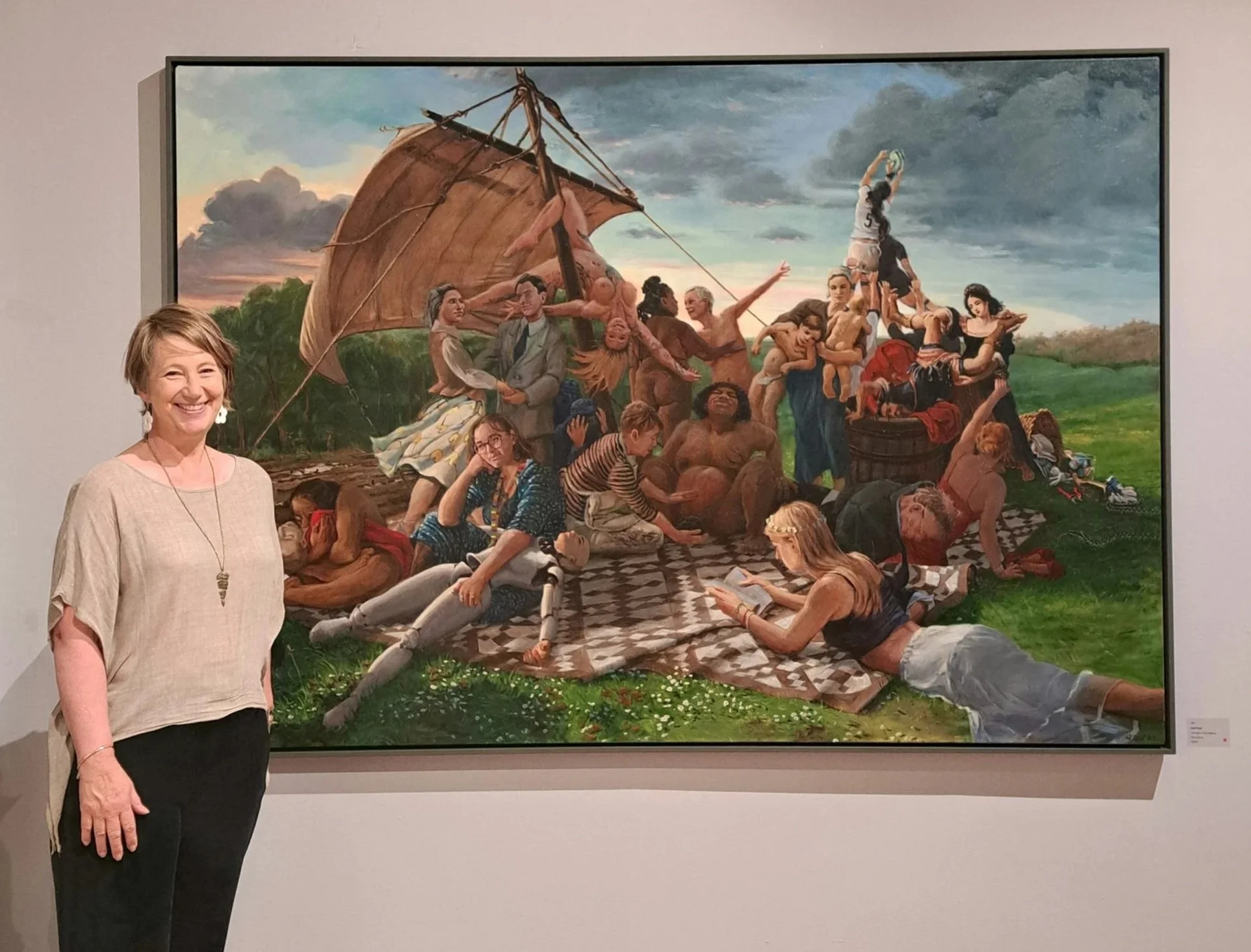
My recent ‘Raft Of The Medusa’ and ‘Dungscape’ projects are painted on canvas over wood stretcher bars. The painted canvas is then ‘dropped’ into the tray frame. The photo below taken at the framer shows a small selection of solid wood tray frame profiles, alongside the unframed paintings.
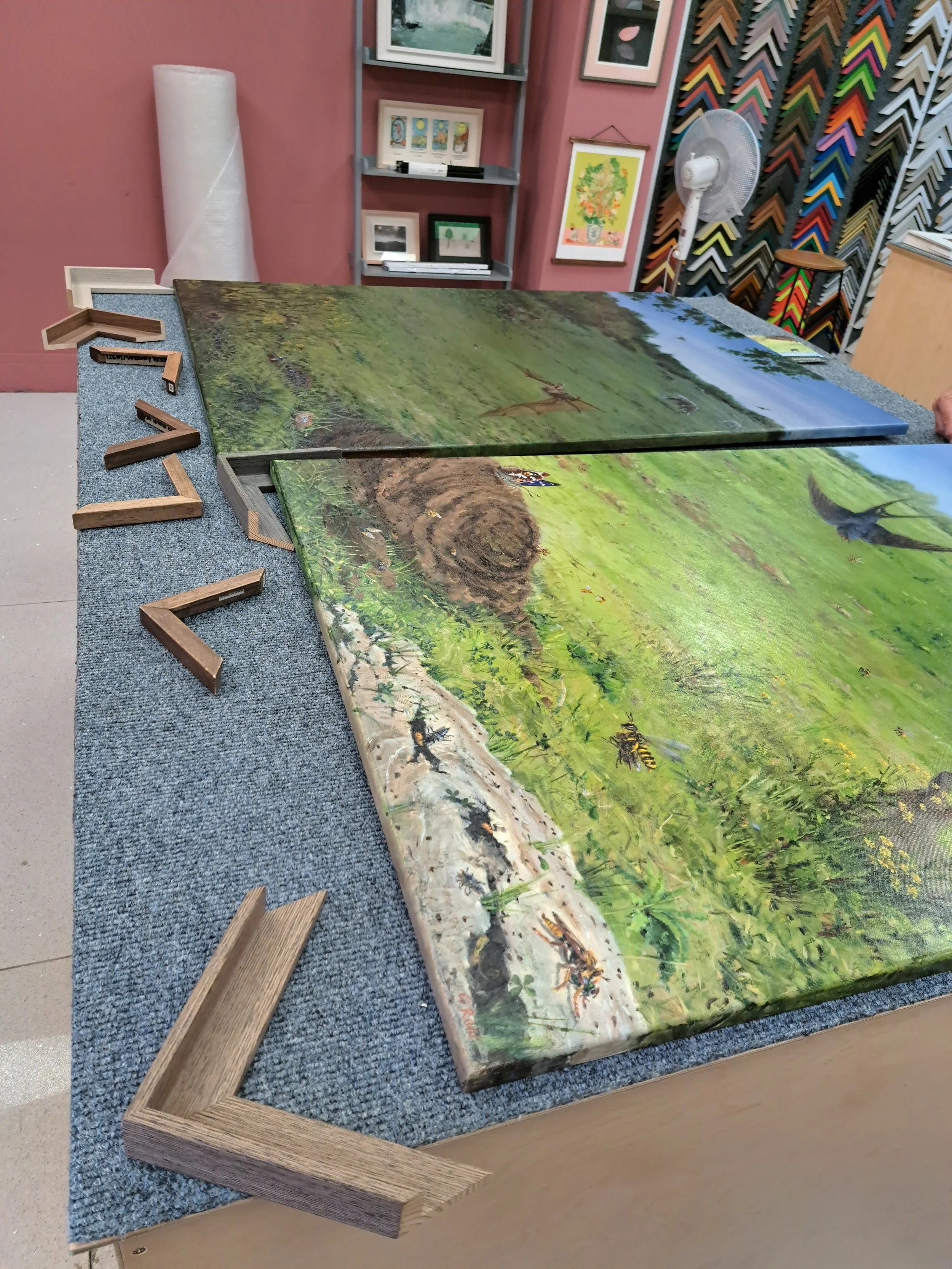
The Bosch original is made of heavy oak panels. Because of the weight of these, it has deeply embedded iron hinges. This contemporary version will be much lighter weight, as each of the 5 panels is a canvas stretched over an open wooden framework (common practice for oil paintings, since soon after the original was made).
The frame and hinge construction will be archival, strong and rigid enough to hold the assembly together firmly and true, giving structural strength to the individual canvases.
The side panels can be opened to sit flat against the wall. The carpenter should build into the design a mechanism that prevents overextension/swinging open/closed by accident.
The whole assembly when closed is anticipated to weigh less than a traditional Victorian oil portrait of comparable size in a typical solid wood & plaster frame.
Cost and funding
The cost of materials depends on the size. Travel expenses depend on requirements & location. As a project estimated to take 12-18 months, the largest consideration is my time. I have studio space to work in.
In the interests of providing a transparent ballpark figure, this project will cost between £10 and £30k, depending primarily on surface area.
There is a requirement for input from the archivist, and regular check-ins by the commissioning point of contact.
There are many grants available to help with such projects, which could be explored in conjunction with the commissioning institution.
For example https://www.artfund.org/our-purpose ,
https://www.artscouncil.org.uk/NationalPortfolio28 (museums and libraries - closes December 2026), https://www.artscouncil.org.uk/sites/default/files/2023-09/Unlocking%20Collections%20and%20Project%20Grants%20-%20Information%20sheet.pdf.
https://www.paul-mellon-centre.ac.uk/grants-and-fellowships/grants-and-funding (applications open November 30th 2026) Paul Mellon Centre is relevant for the historical research into institutional recognition, and surfacing that research to a new audience.
There are also grants for developing artistic practice, which this may qualify for.
Installation & Exhibition
I will paint and varnish the painting in my studio in Bristol. It will be assembled into the frame and delivered ready to hang.
I would like this work to be accessible to the public, either all year round or when the institution is open. Prior to installation, it could be submitted to carefully selected open call exhibitions, potentially giving it a provenance of .
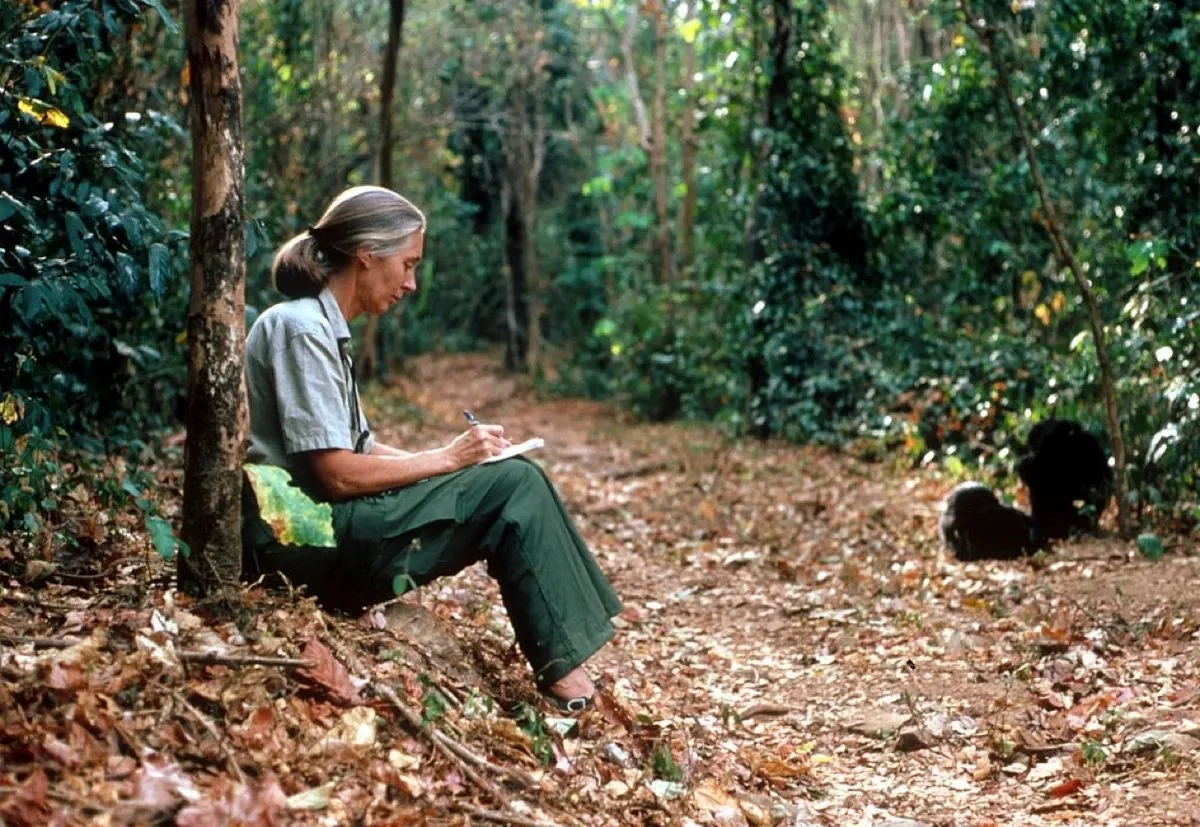
I am comfortable talking in public, and would be happy to engage with whatever unveiling activities you choose. Here is a video clip of Dr Erica McAlister, principal curator of diptera and syphonaptera at The Natural History Museum, opening my solo exhibition at Knepp Wilding Estate.
About Gail
I come from a STEM background, painting is my second career. I have a solid track record making and exhibiting complex large scale oil paintings.
See this archive of my work for proof of capability.
See links below for more information.
Social media
I believe that used well, social media is a great way to reach new audiences and build connections.
I am active on all platforms, and enjoy documentation both written and video. My longer projects benefit from great engagement, not just in the execution but in the subject matter - especially when (as this) they involve research.
Research and artistic process will be extensively documented and shared on social media.
This collaborative content between creator and institution generates social proof, engagement, and an accessible record of the project. It would be an opportunity to share the process from start to finish, including the women’s stories, the construction and painting process.
Please see this page on my recent Dungscape project, which links to research, and a large collection of videos.
I have collaborated on social media with The Society Of Wildlife Artists, Bristol Museums, Knepp Wilding Estate, The Society Of Women Artists, Erica McAlister, and others.
Instagram has 18k posts using the hashtag #gardenofearthlydelights.